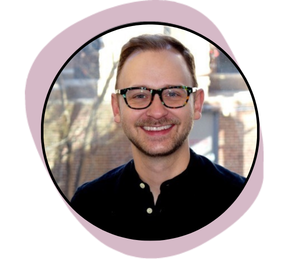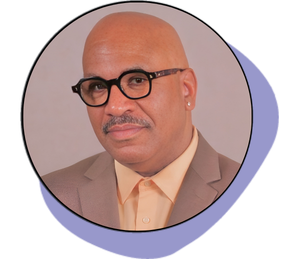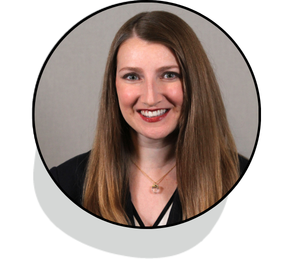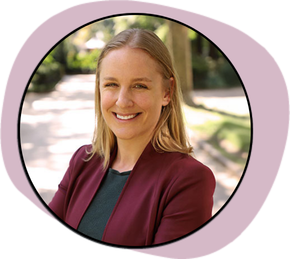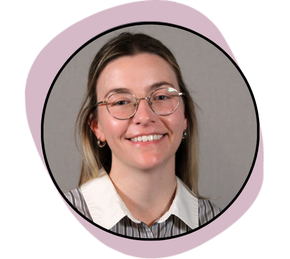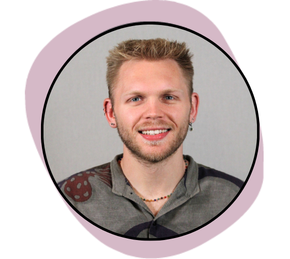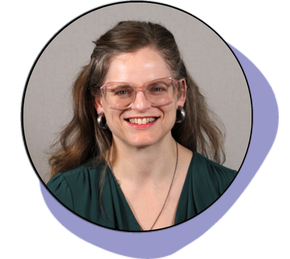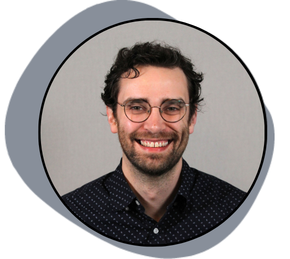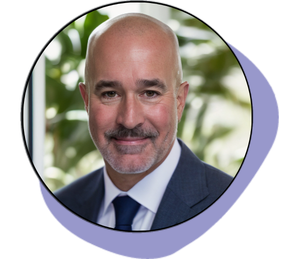
Early Career Fellow: Matthew Bakko, PhD, MSW
Project Title: Crisis Care Configurations: Comparing Implementation and Service Utilization
Project Description: This study investigates how implementing best practices in behavioral health crisis care impacts acute care service utilization in local crisis care systems. Individuals in crisis face significant risks, including worsening mental health, incarceration, and prolonged hospitalization. SAMHSA has established minimum expectations and best practices for a comprehensive crisis care continuum consisting of someone to talk to (e.g., crisis lines), someone to respond (e.g., mobile crisis teams), and a place to go (e.g., crisis stabilization units). These practices aim to reduce emergency department utilization, minimize police involvement, and improve care for individuals in crisis. However, local systems vary widely in their alignment with these best practices, which may influence service utilization outcomes. Using configuration theory, a convergent mixed methods design, and existing data, this study develops and tests a standard metric-based approach for comparing crisis care systems’ outcomes, offers a qualitative method to compare systems’ implementation, and assesses how different configurations of SAMHSA’s minimum expectations and best practices impact crisis care utilization. Identifying effective configurations of best practices across system components will provide actionable insights to improve crisis care system design and implementation nationally, ultimately enhancing outcomes for individuals experiencing mental health crises.
Bio: Matthew Bakko, Assistant Professor of Social Work at Wayne State University, is an interdisciplinary scholar who examines human service organizations operating at the intersection of multiple and often conflicting systems. His research investigates how organizations’ embeddedness at these intersections shapes their policy and program implementation, as well as the realization of service and social change goals. He pays particular attention to how institutional and resource environments, interorganizational relationships, and street-level service practices influence organizational implementation and goals. His interests are deeply informed by his social work practice experiences as a case manager, program evaluator, and community organizer in nonprofit, governmental, and grassroots community-based settings. Empirically, Bakko’s work primarily focuses on human service organizations that intersect with criminal-legal systems. He is particularly interested in anti-carceral, transformative alternatives that nonetheless interact with criminal-legal systems, especially in the field of behavioral health crisis response. Bakko employs qualitative and mixed methods, bridging organizational and criminal-legal scholarship to contribute to both fields.
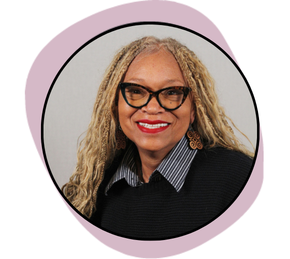
Early Career Fellow: Jonathan P. Edwards, PhD, LCSW, ACSW, NYCPS
Project Title: What Went Right? A Phenomenological Inquiry into Desistance and Recovery for People with SMI
Project Description: This research study aims to define the pathways out of the criminal legal system for individuals with serious mental illness (SMI) by centering the lived experiences of those who have successfully maintained community tenure for at least five years. Utilizing a phenomenological approach, the project explores the “essence” of desistance, identifying the internal psychological shifts and key turning points that facilitate a transition from incarceration to community involvement. The study further operationalizes success by analyzing the interplay between personal agency and structural resources, specifically focusing on recovery capital. By distinguishing between “services delivered” and “services received,” the research identifies which interventions participants truly found meaningful. Ultimately, these insights will be translated into actionable frameworks for peer-delivered interventions. By mapping successful identity transformations and desistance strategies onto the current landscape of peer support, the project will develop a typology of critical interventions. This work is designed to directly inform the training of peer specialists and clinical staff, enhancing their ability to support individuals returning home and navigating the complexities of long-term recovery and legal system exit.
Bio: Dr. Jonathan P. Edwards is a social scientist at the intersection of public health, social work, and organizational development. He brings over 30 years of experience as a consumer, provider, and architect of mental health and substance use services. A Licensed Clinical Social Worker and Certified Peer Specialist, Dr. Edwards serves on the faculty of Columbia University School of Social Work and is an affiliate clinical instructor at the Yale School of Medicine Program for Recovery and Community Health. Dr. Edwards has significantly advanced the behavioral health workforce, notably leading one of the largest peer support programs in the NYC hospital system. He co-authored What It Takes: Wisdom from Peer Support Specialists and Supervisors and contributed to the National Practice Guidelines for Peer Support Specialists and Supervisors and has co-authored numerous peer reviewed articles. He holds a Ph.D. and M.Phil. in Social Welfare from the CUNY Graduate Center, an M.S.W. from Hunter College, and a B.A. in I/O Psychology from City College. Dr. Edwards serves on several boards, including the NY Peer Specialist Certification Board and Friends of Recovery-New York.
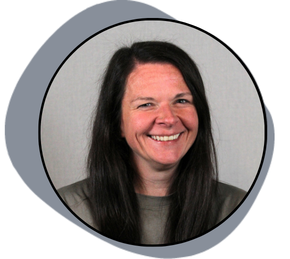
Early Career Fellow: Lindamarie Olson, PhD
Project Title:
Project Description: Access to trauma-informed care is particularly limited in Alabama’s rural counties, where mental health provider shortages, transportation barriers, and geographic isolation compound the challenges facing traumatized youth. In partnership with Full Well Counseling and Neurofeedback, we are conducting a pilot study using EEG, neurofeedback, and trauma-informed therapy with adolescents ages 11–17 who have clinically significant trauma symptoms. Our ongoing work examines whether EEG neurofeedback improves outcomes for trauma-exposed youth, and we aim to expand this research through a community-based participatory approach that captures how young people experience the intervention and how it can be scaled across diverse Alabama communities. Together, these complementary efforts are designed to build the comprehensive evidence base needed to advance trauma-informed practice for our most vulnerable youth.
Bio: Dr. Lindamarie Olson is an Assistant Professor in The University of Alabama School of Social Work with a research focus on interventions for at-risk youth to reduce their initial contact with the juvenile justice system and to limit their ongoing involvement in the system. Her intervention research explores and examines the effects of trauma and neuroscience on cognitive, mental health, and behavioral change within this population. Research objectives include 1) building and expanding the state of knowledge in this field to address the interconnection of neuroscience, adolescent development, trauma, and juvenile offending, and 2) bridging the gap between research and practice to facilitate a more effective and responsive justice system for youth. Dr. Olson is a clinical social worker licensed in both Texas and Alabama with a clinical specialization in childhood trauma and PTSD with experiencing working in Children’s Advocacy Centers, residential care and intensive treatment facilities, and neurofeedback clinics.
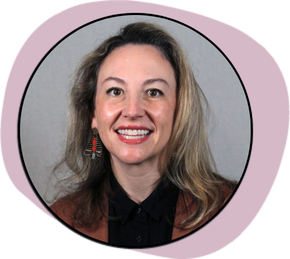
Early Career Fellow: Kaitlin Piper, PhD
Project Title: Life Histories of Criminalization and Recovery Among People with Severe Mental Illness
Project Description: This project examines how early contact with the criminal legal system shapes life-course trajectories of individuals with serious mental illness (SMI), with the goal of identifying opportunities to disrupt cycles of criminalization and promote recovery. Using life history interviews and participatory timeline mapping, the study will center the lived experiences of adults who first encountered the legal system during adolescence. By reconstructing trajectories from adolescence through adulthood, the project will map patterns of system involvement, recovery, and stability, and identify key turning points that influence long-term outcomes. The research will also examine how structural, social, and institutional factors—including interactions with mental health care, housing, employment, and other systems—shape these trajectories over time. By integrating these insights, the study aims to identify critical intervention points where coordinated, non-carceral, health-oriented supports can interrupt pathways of criminalization.
Bio: Dr. Kaitlin Piper is an Assistant Professor in the Department of Behavioral, Social, and Health Education Sciences at the Rollins School of Public Health at Emory University. She also serves as Associate Director of the Injury Prevention Research Center, where she leads partnerships with a national network of community-based organizations to expand access to mental health, harm reduction, and injury prevention services for marginalized populations. Dr. Piper’s work is grounded in a commitment to transforming how institutions respond to behavioral health—advancing a shift away from punitive systems toward evidence-based, health-promoting, and community-driven approaches. Her research focuses on populations historically underserved by traditional systems, with a particular emphasis on youth and caregivers navigating the intersecting challenges of mental health needs, substance use, and justice system involvement. Using community-based participatory research approaches, Dr. Piper centers lived experience and partners with impacted individuals and communities across all phases of the research process. She also brings deep expertise in implementation and dissemination science, with a focus on translating evidence into practice and scaling effective interventions within real-world systems.
Early Career Fellow: Morgan Shields, PhD
Project Title: Trustworthy Crisis Care: Identifying, Sustaining, and Scaling Key Features of Peer Respites
Project Description: Despite recent initiatives to expand crisis behavioral healthcare and to divert people away from law enforcement response, the US remains in a behavioral health crisis and carceral policy approaches have increased. Carceral approaches to mental health crises both lack evidence for advancing outcomes and have the potential to undermine trust in services. Building trust is arguably most consequential in the context of crises and should be a guiding North Star for research and policymaking. This study examines peer respites as a tool for diverting people from the criminal legal system and increasing access to care. Peer respites offer an opportunity to better understand how to operationalize trustworthiness. Peer respites embody values of human connection, autonomy, transparency, and respect, which are core values that underpin trust in crisis services previously identified in Dr. Shields’ framework on trustworthy crisis mental healthcare. However, systematic data on the sustainability and scalability of peer respites, as well as the transferability of their trustworthy features to other settings, remains limited. Informed by Dr. Shields’ trustworthiness framework, this project aims to design and field a national survey of peer respites, which will inform a rigorous Group Model Building (GMB) process with constituents to identify strategies to sustain, scale, and transfer trustworthy peer respite features and anticipate their consequences.
Bio: Dr. Morgan Shields is an Assistant Professor at Washington University in St. Louis’ School of Public Health. Her program of research is broadly focused on the quality and accountability of behavioral health services. She is particularly interested in crisis services given their pronounced power imbalances and the unique vulnerability of service users, offering a challenging but exceptionally important context to understand quality and accountability. Dr. Shields completed a K12 through NIDA focused on developing a measure of trust in crisis mental health services, a two-year NIMH T32 post-doctoral fellowship at the University of Pennsylvania’s School of Medicine focused on implementation science and academic-community partnerships, an NIAAA T32 pre-doctoral fellowship at Brandeis’ Heller School for Social Policy Management, where she completed a Ph.D. in Social Policy, and an M.Sc. in Public Health from Harvard University. Dr. Shields’ work has contributed to local and federal policy change and has been published in leading peer-reviewed outlets, such as Health Affairs, JAMA Psychiatry, and Psychiatric Services.
Dissertation Fellow: Samantha Matthews, MPA
Project Title: Adoption, Implementation, and Effectiveness of a Co-Response and Alternative Response Model for Behavioral Health Crises
Project Description: To address the criminalization of mental illness, community-based crisis response programs are expanding across the U.S., but adoption has been uneven and evidence guiding implementation and effectiveness remains limited. In this study, Samantha is partnering with the San Gabriel Valley Crisis Assistance Response and Engagement (SGV CARE) program in Los Angeles County, which includes two models: a co-responder model pairing clinicians with police; and an alternative response model deploying clinician-only teams. This project aims to: 1) understand factors influencing adoption of these models using a policy review and qualitative interviews; 2) evaluate program implementation using qualitative interviews; and 3) measure effectiveness using a quasi-experimental approach, conducting a difference-in-differences analysis of call data on arrests and involuntary psychiatric holds. Finally, the study will compare adoption, implementation, and effectiveness across program models. This work will inform SGV CARE quality improvements and promote more equitable access to services as the program expands to new cities. Broader dissemination will extend the study’s impact, providing evidence to policymakers on the conditions needed to adopt and implement these programs. Ultimately, this study will help strengthen crisis response systems that reduce reliance on the criminal legal system and improve behavioral health outcomes.
Bio: Samantha’s research focuses on behavioral health, the criminal legal system, and the behavioral health workforce. Using mixed methods, she examines program implementation and outcomes, elevates stakeholder perspectives, and generates actionable evidence to guide policy and practice. Her interest in crisis care began while working in local government in Los Angeles County, where she partnered with municipalities, police departments, and service providers to design homelessness and housing programs and develop an alternative crisis response program. At RAND, Samantha’s research has focused on crisis response, particularly the role of 988 in the crisis care continuum. She has contributed to studies assessing state and local preparedness for the launch of 988 and examining models of 988-911 coordination. Currently, she co-leads an NIMH-funded national survey of 988 centers to assess workforce challenges. She has also led qualitative and survey-based evaluations examining a pretrial diversion program, workplace climate within a county mental health department, and working conditions among homeless service providers. Looking ahead, Samantha plans to pursue a career at a policy research organization or in an academic setting where she can produce research that improves crisis systems, supports the behavioral health workforce, expands access to effective care, and promotes mental health equity.
Pre-Dissertation Fellow: Carson Bohl, MPH
Project Title: Pathways to Sustainable Care Through Diversion: Integrating Perspectives of People Experiencing Homelessness and Service Providers
Project Description: The Atlanta Center for Diversion and Services, opened in January 2025, is a pre-arrest diversion program that provides an alternative to arrest and incarceration for individuals committing low-level offenses who have unmet behavioral health and social service needs. The center primarily serves people experiencing homelessness, a population that faces persistent structural barriers to accessing and sustaining engagement in mental healthcare. In partnership with the diversion center, the primary objective of my project is to inform the development of multilevel interventions and implementation strategies to strengthen linkage to and sustained engagement in diversion-facilitated mental health services among people experiencing homelessness with mental illness. To achieve this, I will integrate qualitative data from unhoused clients, diversion staff, care navigators, and mental health providers to identify key facilitators and barriers to engagement in mental healthcare. By conceptualizing diversion programs not only as alternatives to arrest but as potential entry points into a continuum of care, this study will advance diversion as a multisystem intervention and generate actionable, human-centered insights to improve mental health service linkage and engagement for unhoused populations.
Bio: My work focuses on improving access to behavioral health supports and harm reduction services while challenging the criminalization of mental health and survival behavior. I am particularly interested in populations that are disproportionately surveilled and criminalized, including people experiencing homelessness, people with serious mental illness, and people who use drugs. Across my research, I use qualitative and systems-thinking approaches to center lived experience and examine how structural conditions shape behavioral health and access to care. My work is grounded in understanding how the historical legacy of psychiatry intersects with structural racism and provides a framework for marginalizing diversity, ultimately perpetuating mass criminalization, the pathologizing of poverty, and individual-level approaches to behavioral health. Currently, I conduct street outreach with people experiencing homelessness and am conducting in-depth qualitative interviews to explore perceptions of mental health, mental health needs, and attitudes toward mental healthcare.
Pre-Dissertation Fellow: Nereida Heller, MPP, MSW
Project Title: Care and Control in California’s Sobering Centers
Project Description: Sobering centers are short-term facilities for individuals suffering from acute alcohol or drug intoxication. In recent years, they have become a popular alternative to arrest or emergency care, especially in California, where funding opportunities have increased rapidly. Supported by a national accreditation process launching in 2026, sobering centers are positioned to become a durable component of the crisis response landscape. Despite this momentum, they remain understudied and undertheorized. This study would be the first to analyze sobering centers as instruments of poverty governance. I examine how sobering centers are organized, justified, and deployed in California; specifically, I ask to what extent the treatment and categorization of intoxicated individuals at sobering centers is driven by institutional pressures and staff constraints rather than by individuals’ own care needs. Through qualitative analysis of organizational documents and media coverage, I evaluate whether sobering centers replicate logics of administrative redistribution, burden shuffling, and palliation — or whether their positioning as low-barrier, non-carceral interventions opens space for alternative models of crisis response. I will use my findings to highlight the possibilities and tensions inherent in efforts to manage poverty and substance use within a neoliberal structure that requires care to be cost-effective.
Bio: Nereida Heller is a third year MSW/PhD student at the UC Berkeley School of Social Welfare. Her research centers on poverty governance, public health equity, and substance use policy, with a particular focus on how welfare and behavioral health systems shape outcomes for marginalized populations. Before beginning her doctoral studies, Nereida worked on homelessness and welfare policy at the San Francisco Human Services Agency and served as Senior Data and Evaluation Analyst at the San Francisco Office of Early Care and Education. She previously held research and analysis roles with the San Francisco Mayor’s Budget Office, UC Berkeley Labor Center, the Multnomah County Housing Authority in Oregon, and the United Nations Development Program in Chile. She earned a master’s degree from UC Berkeley’s Goldman School of Public Policy in 2016.
Pre-Dissertation Fellow: Leonard Swanson, MSW
Project Title: Analyzing outcomes of 911 call transfers to a mental health crisis line that can dispatch mobile crisis teams in Mesa, AZ: A difference-in-difference analysis
Project Description: Leonard’s Sozosei fellowship project will study the outcomes of embedding a crisis line specialist in a 911 emergency communications center to deflect mental health crises from law enforcement. Mesa AZ’s embedded crisis line specialist assists with transferring 300+ calls per month to Solari, a mental health crisis call center, who can provide over-the-phone de-escalation and dispatch mobile crisis teams. Mobile crisis teams have been theorized as possible law enforcement alternatives, but few studies have demonstrated outcomes of mobile crisis responses to 911 calls. The proposed study would assess the impact of Mesa’s embedded crisis line specialist on suicide- and behavioral health-related 911 call outcomes, including: emergency department transports, arrests, and uses of force. A difference-in-difference design will assess the differences in outcomes (ED transports, arrests, and uses of force) between times when the embedded crisis line specialist was working (7am-7pm) against times where the specialist was not working (7pm-7am) among suicide- and behavioral health-related 911 calls. The study hypothesizes a reduction in adverse outcomes during the crisis specialist’s daytime shifts. Results could suggest the extent to which embedding a crisis line specialist could prevent law enforcement encounters, acute crisis service utilization, and criminal legal entanglement.
Bio: Leonard Swanson is a Ph.D. student at The University of Chicago’s Crown Family School of Social Work, Policy, and Practice. He studies interventions to improve crisis response to decrease police-involved killings of people with mental health issues, decrease arrests of people in crisis, limit utilization of acute crisis services, and increase post-crisis connections with mental health resources. Leonard has linked crisis program data with jail administrative and Medicaid data to assess outcomes of emerging mental health diversion programs with quantitative causal inference methods. Lately, he is interested in interventions that address mental health crises over the phone at 911 emergency communications centers. His prior work has examined county-level factors of successful behavioral health diversion from criminal legal systems, Crisis Intervention Teams (CIT), post-overdose response teams, co-response teams, and mobile crisis teams. Leonard’s work was acclaimed by CIT International’s Excellence in Research award in 2023. Secondary research interests include the psychology of mystical experiences and jazz cultural exchange; he is currently working on an ethnographic project about the Chicago creative music scene. In his free time, he plays bass with various improvisational groups in Michigan and Chicago.
Dr. Chyrell D. Bellamy, PhD, MSW, MA, is a Professor in the Department of Psychiatry at Yale University. She is also the Director of the Yale Program for Recovery and Community Health (PRCH). Additionally, she serves as Associate Director of Educational Programs and Director of Community Engagement and Research at the Yale Center for Clinical Investigation. At PRCH, she leads Peer Support Services & Research. In this role, she advances the development, implementation, and evaluation of peer-delivered services across clinical and community settings. She also directs the Yale Lived Experience Transformational Leadership Academy (LET(s)Lead), an international initiative preparing emerging leaders.
Her work focuses on community-based participatory research and co-design, sociocultural pathways to recovery from mental illness, substance use, incarceration, and complex life challenges. She specializes in designing and scaling community- and faith-based peer support and psychosocial interventions that promote wellness and recovery from mental illness and addictions. She has authored over 130 publications and developed more than 30 manuals and curricula used to train peer specialists, providers, and research teams nationally and internationally. Since joining Yale, she has served as PI or Co-I on more than 50 grant-funded projects supported by NIH, PCORI, VA, SAMHSA, Templeton, and RWJF; and mentored over 100 students, interns, fellows, scholars, and early-career faculty.
Michael T. Compton, MD, MPH, is a Co-Director of the Sozosei Lab. He is a Research Psychiatrist at the New York State Psychiatric Institute and a Professor of Psychiatry at Columbia University. Dr. Compton’s prior faculty appointments were at Emory University, The George Washington University, and Hofstra Northwell School of Medicine. He previously served as Chairman of Psychiatry at Lenox Hill Hospital (2013–2016) and Medical Director for Adult Services at the New York State Office of Mental Health (2016–2019). He has maintained continuous National Institute of Mental Health research funding for 20 years, studying first-episode psychosis, the Crisis Intervention Team policing model, and community-based mental health services. His research has led to more than 275 publications. His primary area of research relates to criminal justice over-involvement among individuals with serious mental illnesses, usually for minor misdemeanor charges. Dr. Compton’s research has been supported by the National Institute of Mental Health, the National Science Foundation, The Pew Charitable Trusts, and several private foundations including the Sozosei Foundation. His books include a manual for police officers responding to persons with mental illnesses, a guide for patients with first-episode psychosis and their family members, a textbook on the complex connection between marijuana and schizophrenia, and seven American Psychiatric Association books. Dr. Compton has a BS from Mary Washington College, an MD from the University of Virginia, and an MPH from Emory University. In addition to psychiatry, he is board-certified in preventive medicine and lifestyle medicine.
Jenni Cox, PhD, is a licensed clinical psychologist and Professor of Psychology at The University of Alabama, specializing in Psychology-Law. Her research interests are broad and generally explore avenues to apply psychological science to the U.S. criminal legal system with the ultimate goal of reducing the system’s footprint on the individual and community. With over 70 academic and non-academic publications, Dr. Cox is a leading expert in forensic mental health assessment and the avenues through which individual differences and demographic factors (e.g., gender, sexual orientation, mental illness) impact legal decision makers’ judgments and ultimate decisions. Her research has been supported at the state and federal level, including support from the Bureau of Justice Assistance, Health Resources and Services Administration, Alabama Department of Mental Health, and Sozosei Foundation. Dr. Cox is particularly passionate about teaching and mentoring; she loves cheering on former students changing the world in clinical, academic, and policy-oriented roles.
Matt Epperson, PhD, MSW, is an Associate Professor at the University of Chicago Crown Family School of Social Work, Policy, and Practice, where he also serves as Director of the Smart Decarceration Project ( www.smartdecarceration.org ). His research centers on developing, implementing, and evaluating interventions to reduce disparities in the criminal legal system. His primary areas of focus include addressing risk factors for criminal justice involvement among persons with mental illnesses, as well as advancing evidence-based approaches to effective and sustainable decarceration. Dr. Epperson’s scholarship and teaching aim to build the capacity of the social work profession to address these challenges and opportunities for criminal legal transformation. He is Co-Leader of the Promote Smart Decarceration network, through the Grand Challenges for Social Work Initiative. He has over 15 years of clinical and administrative social work experience in behavioral health and criminal legal settings.
Leah Jacobs, PhD, is an Associate Professor in the School of Social Work at the University of Pittsburgh, where she leads the Anti-carceral Social Work Research Lab and the Public Social Work Research Collaborative.
Leah Jacobs, PhD, scholarship is at the intersection of social welfare, criminal legal, and community mental health policy and intervention. In these areas, she studies social problems and solutions to those problems, with particular attention to the disproportionate involvement of Black and economically poor Americans, and people diagnosed with serious mental illnesses in carceral and coercive systems. Her current work focuses on the relationship between social work and policing, and life affirming alternatives to carceral and coercive interventions, especially those that prevent system involvement and build capacity among members of these minoritized groups. She holds a BS in Psychology from Northeastern University, a MA in Urban and Environmental Policy and Planning/Child Development from Tufts University, and a MSW/PhD in Social Welfare from UC Berkeley.
Leah G. Pope, PhD, is the Director of the Sozosei Lab. She is a Research Scientist at the New York State Psychiatric Institute and an Associate Professor of Clinical Behavioral Medicine in the Columbia University Department of Psychiatry (Division of Behavioral Health Services and Policy Research). Trained as an anthropologist, Dr. Pope has extensive experience conducting mixed methods research in the public mental health and criminal legal systems. She has worked in academic settings as well as within nonprofit research and policy organizations such as the Vera Institute of Justice, where she co-directed a national training and technical assistance initiative to improve police-based responses to individuals with mental illnesses and intellectual and developmental disabilities. Dr. Pope’s research has been supported by the National Institute of Mental Health, the National Science Foundation, The Pew Charitable Trusts, and private foundations including the Sozosei Foundation, Robert Wood Johnson Foundation, van Ameringen Foundation, and the Wenner Gren Foundation. Her current work focuses primarily on crisis response for people with serious mental illnesses. She is the Principal Investigator on a national survey of mobile crisis programs, and a Co-Investigator on a randomized controlled trial of Crisis Intervention Team training for police officers and a project to develop the crisis response workforce. In 2025, she was lead editor for the American Psychiatric Association’s book, Entangled: How People with Serious Mental Illness Get Caught in Misdemeanor Systems. Dr. Pope has an AB from Harvard University and a PhD from Columbia University Teachers College.
Amy C. Watson, PhD, is a Co-Director of the Sozosei Lab and She is a professor in the School of Social at Wayne State University. Trained as a mental health services researcher, she has focused on people with serious mental illnesses that come in contact with the criminal legal system and interventions to prevent and reduce criminal legal involvement. She has conducted extensive research on police encounters with persons with mental illnesses and the Crisis Intervention Team (CIT) model. Her current work is looking at models to reduce or eliminate the role of law enforcement in mental health crisis response and the development of the non-law enforcement crisis response workforce. Earlier in her research career, she was the project director of a NIMH funded center focused on mental illness stigma, and stigma reduction remains an important theme in her work. Other professional activities include serving on the CIT International Board of Directors from 2016-2021, (as President of the Board 2020-2021) and on the compliance team for the Department of Justice Settlement Agreement with the City of Portland, Oregon. Her direct practice experience includes working as a probation officer on a team serving clients with serious mental illnesses and as a Forensic Social Worker/Mitigation Specialist working on death penalty cases. She has a BA in Criminal Justice from Aurora University and an AM and PhD from the University of Chicago School of Social Service Administration.
Amy Blank Wilson, PhD, MSW, LSW, is a Professor at the School of Social Work at the University of North Carolina at Chapel Hill and Co-Director of the Tiny Homes Village, a demonstration project designed to expand permanent, affordable housing for individuals with mental illness. She is a national leader in intervention research at the intersection of mental health and the criminal legal system, focusing on innovative and scalable solutions to the overlapping challenges of mental illness, poverty, homelessness, substance use, and criminal legal system involvement. Her work advances evidence-informed practice and policy solutions for individuals with mental illness and other disabilities, including autism and intellectual disabilities. Her scholarship includes more than 20 funded grants, 65 peer-reviewed publications and book chapters, 4 intervention manuals and toolkits, and 95 conference presentations.